
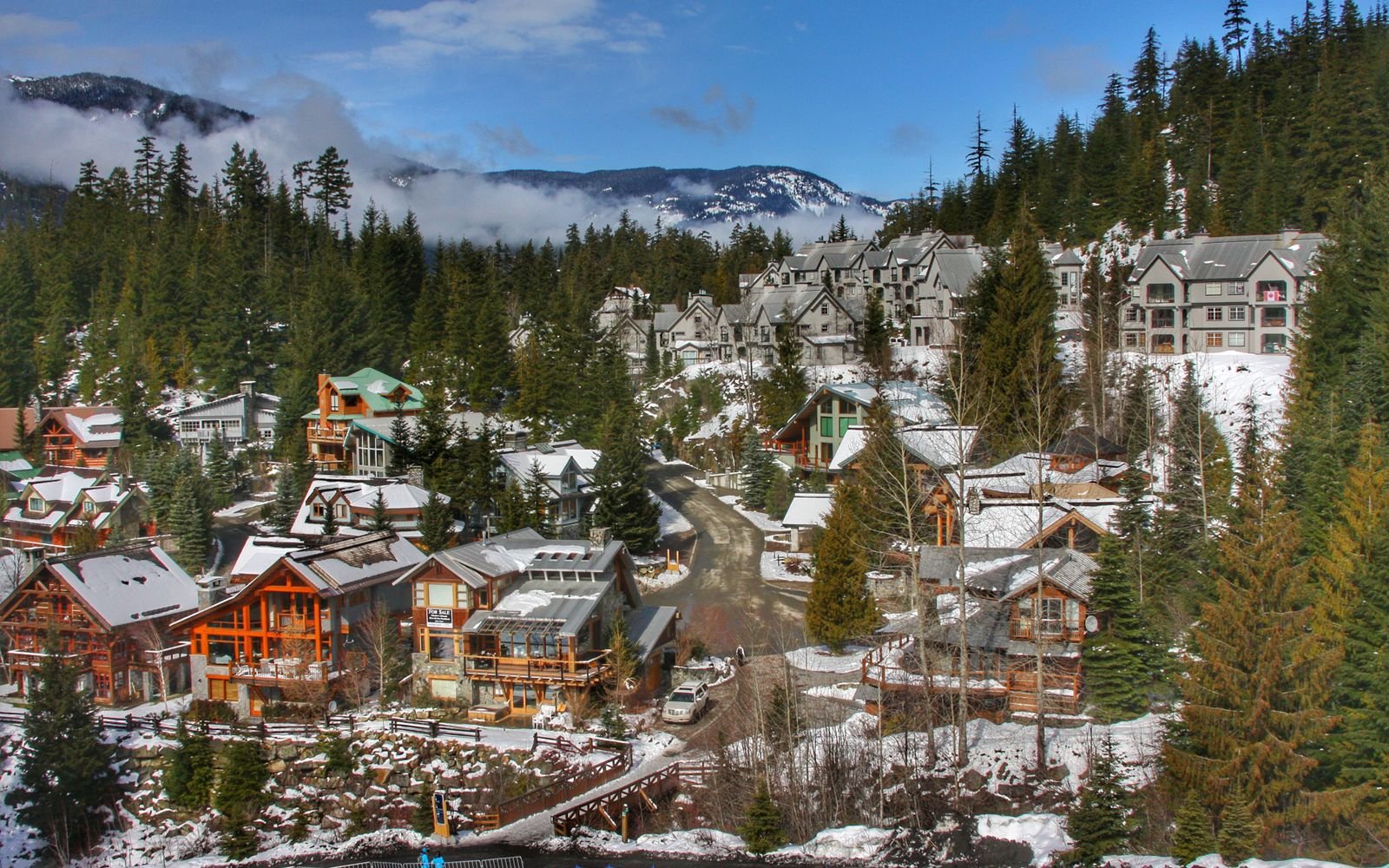
Whistler is a different kind of winter weekend from a city weekend. It is a small pedestrian village between two big mountains, with warm food stops, bright lights in the evening, and snow on the peaks above it all day. This Whistler winter weekend 2-day food and lights guide keeps the walking short, the food simple, and the evenings warm, with time to slow down instead of rushing from one stop to the next.
Stay in or near Whistler Village if you can, and plan one main stop for the morning, one for the afternoon, and one for the evening. The Village Stroll is pedestrian-only, so most of the weekend is on foot once you arrive.
Day 1: Village Stroll, a gondola ride, and skating under the lights
Begin day one with a slow walk along the Village Stroll. The street is flat and car-free, with shops, cafes, and bakeries on both sides and the mountains at the end of the view.
For lunch, pick one warm place in the village and enjoy it properly. Whistler has good soups, good sandwiches, good bakeries, and good hot chocolate. Sit down, order one thing well, and take a break.
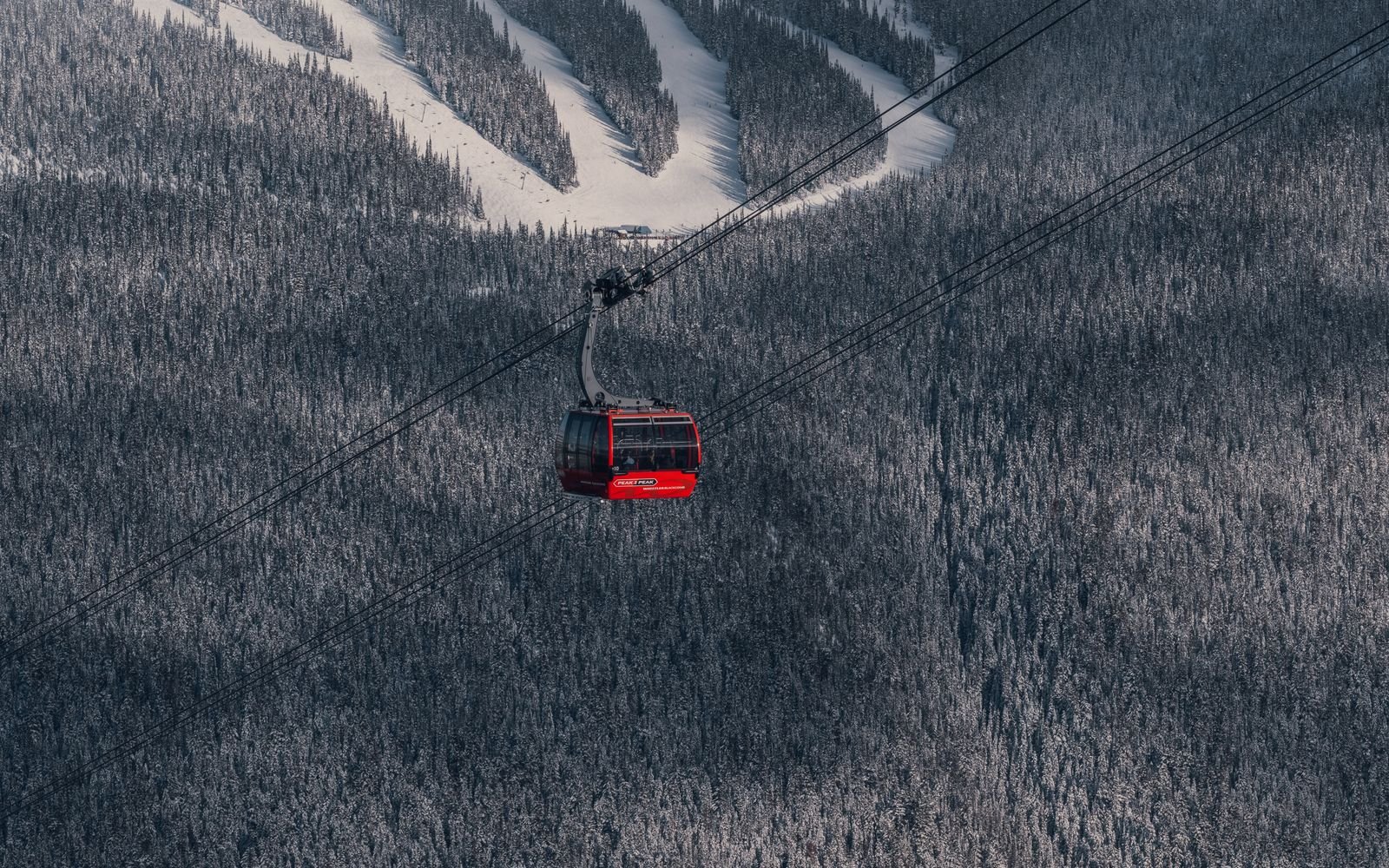
In the afternoon, ride a gondola up the mountain. The Whistler Village Gondola and the Blackcomb Gondola leave from the edge of the village, and the PEAK 2 PEAK Gondola links the two mountains high above the valley. The ride is worth doing even if you do not ski. Most lifts run from 9:00 a.m. to 3:30 p.m. through mid-January, so check times before you go and allow extra time to come back down before dark.
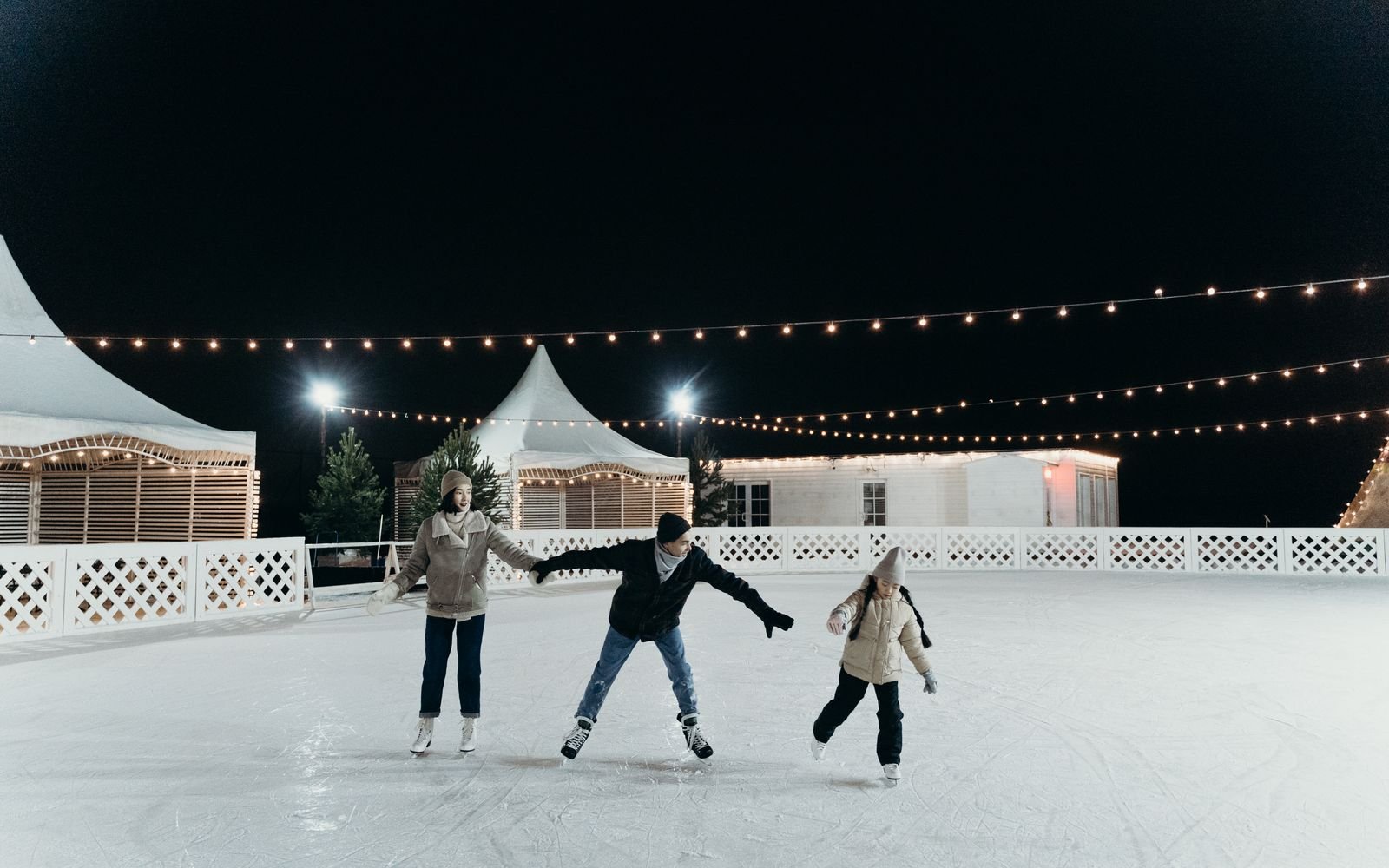
As the light fades, walk back to Whistler Olympic Plaza. The outdoor rink there is due to open on 26 November 2026, weather permitting, and skate rentals are available. Skating under the lights is the simplest evening in Whistler. If skating is not your thing, sit nearby with a warm drink and watch instead. After that, take one last walk along the Village Stroll, when the lights are at their best. For another car-free mountain weekend in the same style, see our Banff winter weekend guide.
Day 2: A ski morning, a quiet walk, and a warm finish
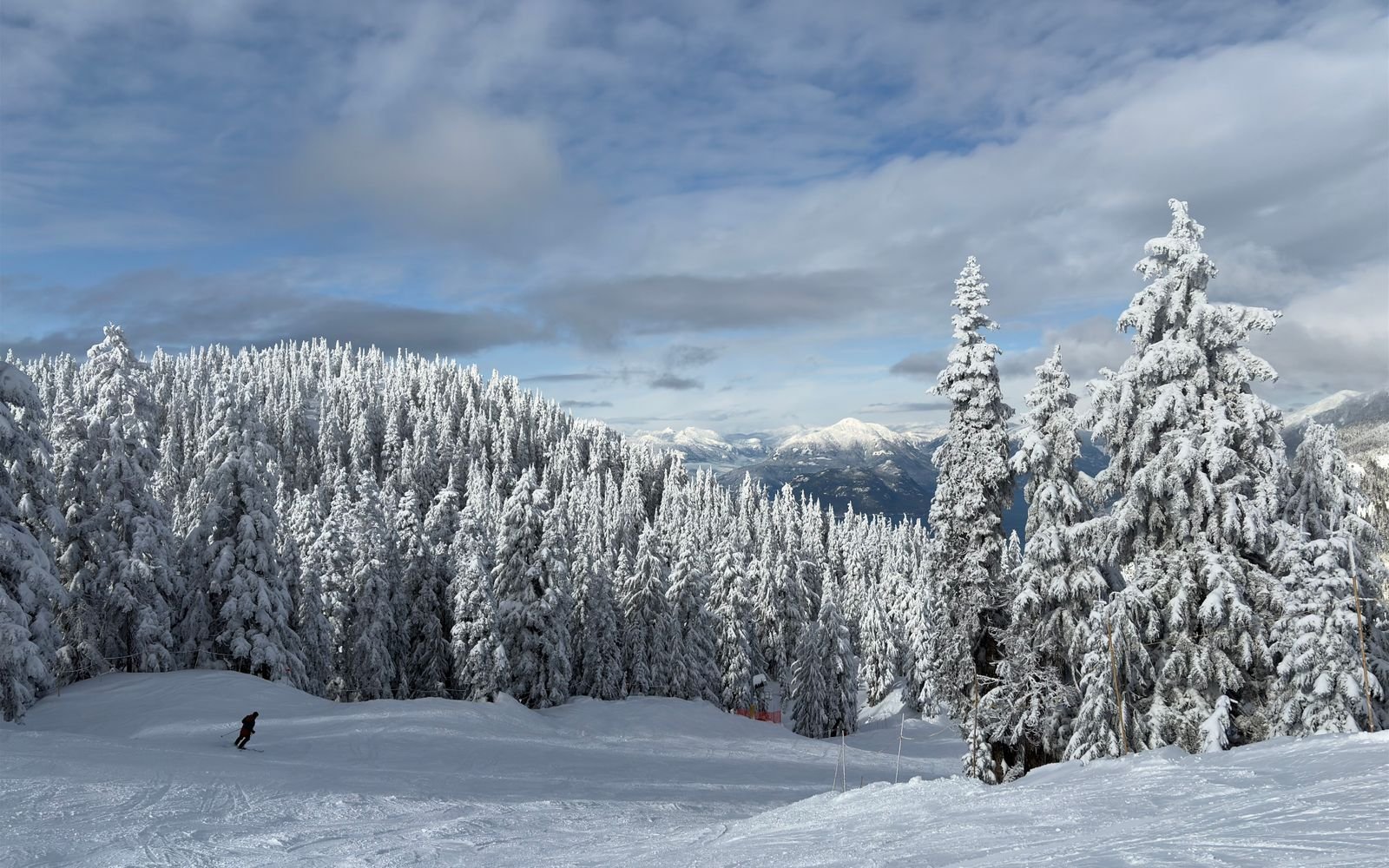
Start day two on the mountain if you ski or snowboard. Whistler Blackcomb is the largest ski area in North America, with more than 8,000 acres of terrain, but you do not need to cover it. Pick one area, take a few runs, and come down before you are tired. Early-season terrain can be limited, so check lift status that morning.
If you do not ski, take the gondola up as a sightseer instead, or stay in the village for a slow morning: a bakery breakfast, a walk through the shops, and a long coffee while the mountain wakes up.
For the middle of the day, choose one food stop and enjoy it properly. Pick one place in the village and eat there, rather than trying to cover the whole town.
In the afternoon, walk to Lost Lake Park, a short walk from the village. In winter, the trails there are groomed for cross-country skiing and snowshoeing, and the forest walk is flat and peaceful. After the walk, warm up properly: a Nordic-style spa in the forest, with hot pools and saunas, is the quiet reward of the weekend, or simply a long sit by a fire with a hot drink.
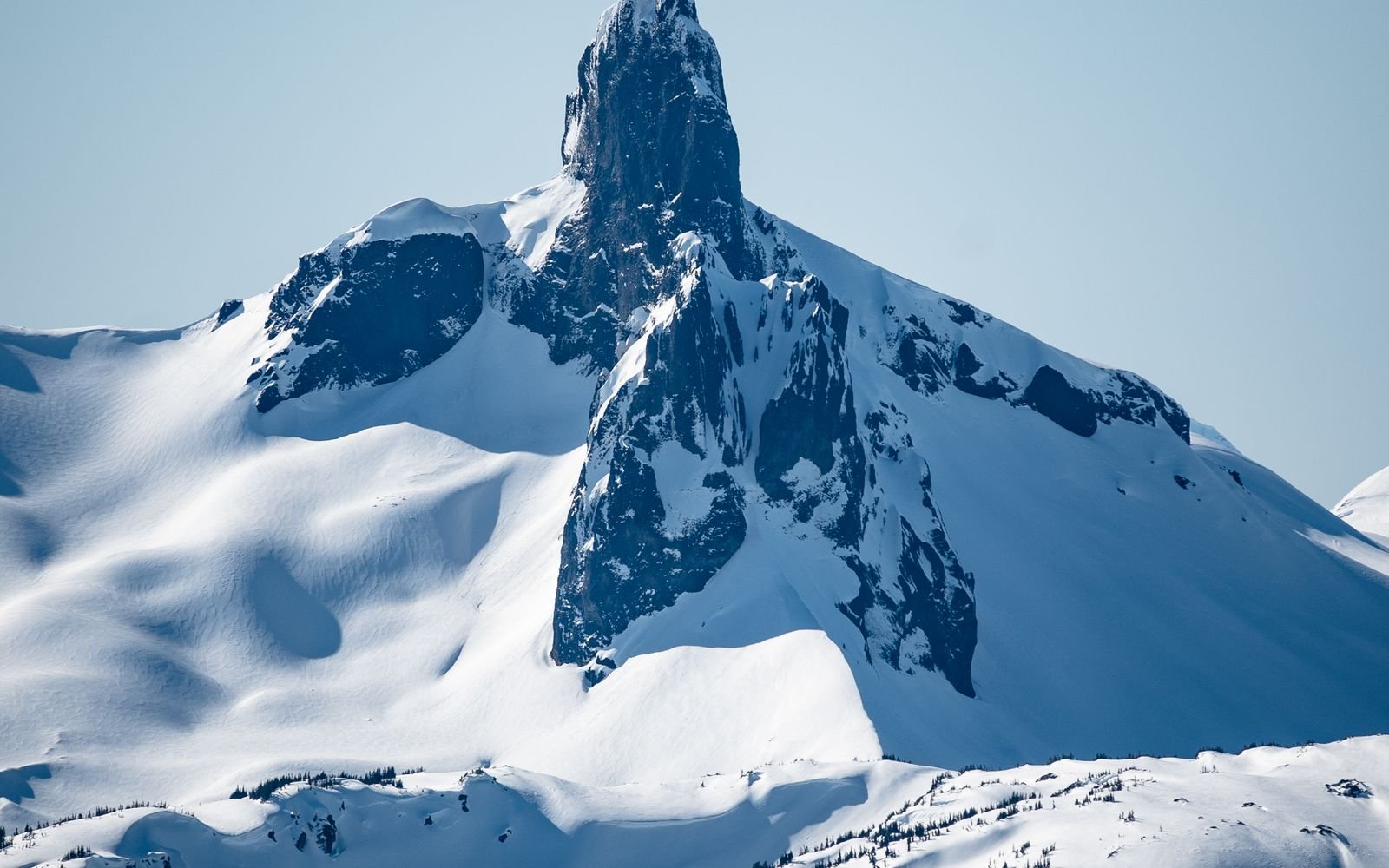
What to eat on a Whistler winter weekend
Food is the heart of this trip, so keep it simple and warm: a bakery breakfast, a hot lunch, and a shared dinner. Try one new thing each day — a new soup, bakery, or market snack — and keep the rest familiar. Eat well once a day and keep the other meals easy.
Packing and practical tips
Pack for cold, wind, and short walks between warm stops: a warm coat, gloves, a hat, and shoes with good grip. Layers help, because you will move between cold streets and warm rooms all day, and the mountain summit is colder than the village below. For a simple packing check, use our weekend packing guide for a two-night city break.
Travel without a car is easy once you are here. The village is pedestrian-only, and local buses cover the valley. Getting to Whistler is the part to plan: it is about two hours from Vancouver by road along the Sea to Sky Highway, and in winter that road requires proper winter tires, so check road conditions before you leave.
FAQs
Is two days enough for Whistler in winter?
Yes. Two days are enough for the Village Stroll, one gondola ride, a skating evening, and a ski morning or a Lost Lake walk. Choose one main stop per part of the day, and leave time for warm breaks.
Do I need a car in Whistler?
No, not in the village. Whistler Village is pedestrian-only, and local buses cover the valley. You only need to plan the trip from Vancouver, where winter tires are required on the Sea to Sky Highway.
When does Whistler Blackcomb open for the 2026/27 season?
The target opening day is Friday, 20 November 2026, weather and snow permitting. Blackcomb Mountain is due to open that day, with Whistler Mountain and the PEAK 2 PEAK Gondola following on 25 November. Village lights go up in mid-November, and for the full festive weekend, come from 27 November, when Whistler Winterlight runs, with the Holiday Market on 28–29 November. The Olympic Plaza rink is due to open on 26 November, weather permitting.
What should I do if the weather turns cold or wet?
Shorten the outdoor walks, spend more time in cafes, shops, and the spa, and keep the evening plan near your hotel. On Sunday evenings, check whether the free Fire & Ice Show is running at Skiers Plaza. The weekend still works, just at a slower pace.
When should I check dates and hours?
Before you travel, and again on the morning of each day. Winter hours and opening dates can change with the snow, and a quick check saves a cold walk to a closed lift.
Whistler in winter is not about doing everything. It is about doing a few things well: a village walk, a warm lunch, a gondola ride, a skating evening, and a quiet morning in the forest. Plan it that way, and the weekend will feel easy, warm, and worth repeating.