
11 Halloween Party Ideas for Families in 2026: A Simple At-Home Plan
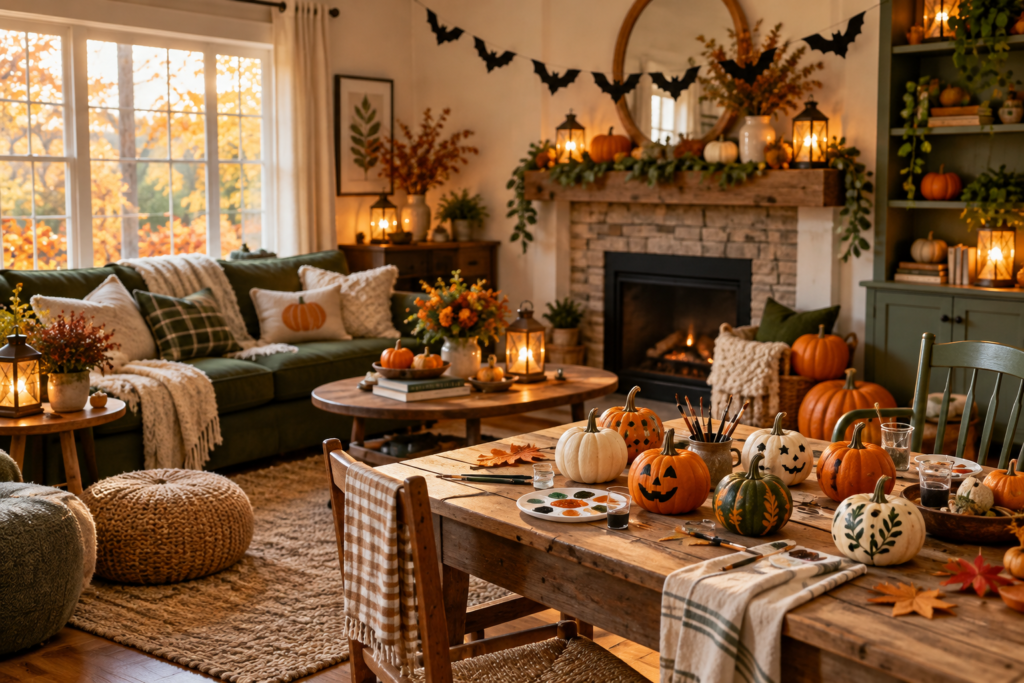
A good family Halloween party does not need a room full of expensive props. A few pumpkins, something tasty to share, and activities that suit your guests can turn an ordinary evening into a happy memory. The trick is to give everyone something to enjoy without making the host work all night.
These Halloween party ideas for families are designed for a small gathering at home. Use them as a menu of options, rather than a list you must complete. Choose three or four activities, leave time for conversation, and keep a quiet place available for anyone who needs a break.
When is Halloween in 2026?
Halloween falls on Saturday, October 31, 2026. The date is confirmed by Time and Date’s Halloween calendar. A Saturday gives many families room for an afternoon party, but local celebrations and trick-or-treat arrangements may use different hours or dates. Check your town, community centre, or organizer before planning around a public event.
For a home party, decide whether guests will stay indoors, go trick-or-treating, or do both. Include the start and finish time in the invitation. Ask about food allergies, accessibility needs, and whether younger guests prefer a gentle theme.
1. Pick a friendly theme
A pumpkin patch, woodland creatures, or a cheerful monster theme works well for mixed ages. Choose two colours and repeat them in a few places. This gives the room a clear look without buying a separate decoration for every corner. Let guests know that costumes are optional.
2. Make a pumpkin painting table
Put washable paint, paper, and small pumpkins on a covered table. Guests can paint faces, patterns, or their favourite colours. Keep the activity open-ended so younger children do not feel they must match a perfect example. Adults can handle any carving separately; painting gives children their own creative task.
3. Set up a paper decoration challenge
Give each pair a few sheets of paper and ask them to make a friendly bat, ghost, or autumn leaf garland. Set a relaxed fifteen-minute limit. Display every result together instead of choosing one winner. You get a shared activity and decorations that mean more than something taken straight from a package.
4. Try a picture clue treasure hunt
Hide large paper pumpkins in a few easy-to-reach places. Use picture clues for guests who cannot read yet. Older children can help create clues for the next round. Keep the hunt inside rooms you have checked, and avoid stairs, fragile shelves, and dark hiding places. Make the final reward something everyone can share.
5. Play Halloween bingo
Create simple cards with pumpkins, hats, stars, cats, and other familiar pictures. Call out the pictures and use paper counters. A short game is often better than a long tournament. If you want prizes, choose useful small items or let the winner choose the next song. Nobody needs to leave with a large bag of extras.
6. Build a costume story circle
Ask each person to introduce their costume or invent a character. Start a story with one sentence, then let each guest add another. Someone in everyday clothes can join as a narrator or detective. This works especially well when you want entertainment that does not need screens, supplies, or much space.
7. Keep the snack table simple
Choose a few familiar foods instead of a complicated themed menu. Give ordinary snacks playful names on paper labels. Ask about dietary needs before shopping, keep ingredient packaging available, and offer an easy alternative when a guest cannot eat something. There is no need to disguise every dish as a monster.
8. Make a small photo corner
A plain wall, paper garland, and two or three lightweight props are enough. Take one group picture early, while everyone is together. Ask before photographing guests and before sharing images, especially pictures of children. Give families a private copy instead of assuming they want their evening posted publicly.
9. Offer a quiet activity
A loud party is not comfortable for everyone. Put colouring pages, a simple puzzle, or a few books in a quieter spot. Tell guests that taking a break is fine. Avoid sudden noises or surprise scares in a gathering that includes people you do not know well. A welcoming party lets people join at their own pace.
10. Plan for rain or a cold evening
Keep an indoor version of every important activity. A hallway treasure hunt can replace a garden hunt, and a short story session can replace time outside. If you go out, agree on the route, supervising adults, and return time first. Leave space near the door for coats so the entrance does not become crowded.
11. Finish with a shared thank-you
Before guests leave, ask them to name one moment they enjoyed. Children might mention a game, while adults remember a funny story. Thank everyone who brought food or helped tidy up. A calm ending gives the evening a sense of completion and makes the next gathering easier to plan.
A flexible two-hour party schedule
Use the first twenty minutes for arrival and pumpkin painting. Follow with a short hunt and bingo. Allow thirty minutes for food and conversation, then move into the story circle and photos. Keep the final fifteen minutes for a quiet activity and goodbyes. Treat these times as a starting point; change the plan if your guests are enjoying something.
Small practical checks that matter
Health Canada’s Halloween guidance recommends well-fitting costumes, clear walkways, adult supervision for young trick-or-treaters, and reflective materials for visibility. It also recommends battery-powered lights instead of open flames. The US Fire Administration gives the same flameless-lighting advice for Halloween decorations. Keep your setup simple enough that you can supervise and enjoy the party.
After the party: keep what worked
Save reusable decorations in one labelled box. Note which activities suited your guests, what food was left, and what you would skip next time. Share photos only with permission. Browse our event planning ideas for more inspiration.
For older guests who enjoy mysteries, explore our Halloween adventure party at home guide.
Frequently Asked Questions
How many activities should a family Halloween party have?
Choose three or four main activities for a two-hour gathering. Leave space for arrival, snacks and conversation. Keep one quiet backup ready rather than trying to complete all eleven ideas.
What can families do for Halloween on a small budget?
Try a costume story circle, handmade paper decorations and a picture hunt. Use supplies you already have and agree on a spending limit before shopping. Costumes can be optional.
How do you include toddlers and older children?
Give each age group a suitable role. Younger children can match pictures while older children help with clues. Use adult setup and supervision, and keep small pieces out of reach of toddlers.
What if it rains on Halloween?
Move the hunt into checked indoor rooms, shorten the route and use bingo or stories as a backup. Tell guests about any changes before they arrive.
When is Halloween in 2026?
Halloween is Saturday, October 31, 2026. Local public events and trick-or-treat hours may vary, so check the organizer before travelling.
Events. Ideas. Moments worth sharing.
© Restonya. Event information can change. Confirm dates, availability, and entry requirements with the official organizer.